EasyX11 library is a wrapper for Xlib functions. Xlib is the basic X-window interface, the graphic system of the UNIX world, very few users deals with that level of programming nowdays, but just bear in mind that KDE, CDE, openwin, gnome and so on are all based on Xlib through several interface layers. There is therefore ONE interest of using easyX11, it is its portable on virtually any UNIX system regardless what type of desktop it uses. For example, it runs under macOX, Cray-research computers, IBM AIXes, HP-UXes, SUN-solaris and of course LINUXes. It has a definite 80's spartiate look, since it was designed at first for professionnal use, but who needs a glamourous 3D shining interface for professional use anyhow? (I don't mean use in a commercial product indeed).
I also designed my own text-processor, pMath for typing a math Ph.D dissertation containing a lot of awfull formulae. It is definitively not a WYSIWYG program, it works more or less like LaTeX. User interface messages are in French, but all messages in pmath.h can be translated in any other language as long as the yes and no words do not share the same initial. Now LaTeX exists, it has an approximate Latex translator (otherwise outputs are in PostScript or to raw raster format). I know it may seems an silly task to write such a program, but have a look at the copyright dates and ask you (grand)-parents abouts old MS-Word versions... In fact the original version was splitted in two programs the first called ptext was used for plain text and the second pmath was used for typing math equations (at that time, a few IBM typewritter has capability to print math characters, to the expense of changing the character ball). With time the pmath program shallowed the ptext program...
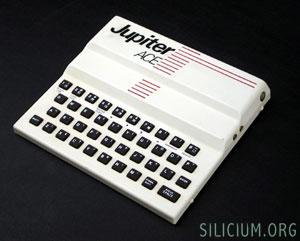
pMath was first written for the jupiter ACE computer (using the Forth programming langage), it was the translated in pascal for IBM PC's (model XT very common at that time...), then to C when cheap and conveniant C compiler appeared (Turbo-C) for PC's, and it was eventually migrated to UNIXes and X-windows interface.
|
|
The Jupiter ACE computer |
stitchX11 is a tool for rectification and image stitching. It allows correction of geometrical distortions and vignetting (darker tone of the image corners) and interactive (but computer aided) registration/color&contrast matching of several images in order to combine them into a panoramic image. Output can be either in cylindrical or in normal perspective (though normal perspective is limited to scene of extend smaller than 180°).